Technological advancement has largely improved the living standards of human beings. They can now enjoy a life full of luxury and free of care. All the technological inventions and discoveries we have witnessed lately come with greater benefits than risks. This applies to all walks of life. Whether it is the field of medicine or the field of different business industries, a social media agency UAE working day and night with new tools to succeed, or a small business startup by an individual using just the right technology, everything proves to be fruitful.
With the benefits and risks, there also comes the responsibility of the technology upon the investor. What if something goes wrong? What if the third party tries to steal the credit for the advancement? To protect both the technology manufacturers and the users, there are certain legal terms and regulations that everyone has to follow. Below, we are going to mention the top technologies and their legal realms. They are as follows:
1. Internet of Things – IoT
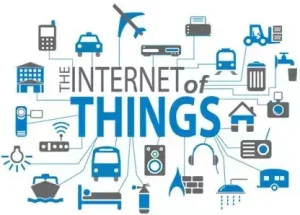
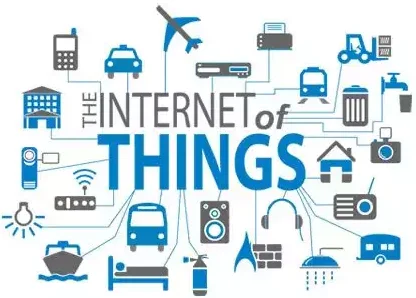
While on one side, the manufacturer’s dream of making the internet of things their new big thing, the lawyers and various departments don’t agree much with the idea. The idea of controlling home appliances using apps and new technology has faced a lot of opposition. The legal workers were mostly concerned about data protection and security while applying the IoT technology. Nithan Sannappa, an attorney in the privacy and identity protection division of the US’s Federal Trade Commission (FTC), said he is determined to see a focus on the security of IoT “things” as a result of pressure maintained by the ongoing legal actions of the regulatory agency. Moreover, many people find it difficult even to define the term IoT. “From a formal standards perspective, we are in the early days of defining what those activities are, and most of the work published so far is in the IT space, and not the legal sector,” said Eric Hibbard, Hitachi Data Systems’ chief technology officer for security and privacy. (Reference: http://www.irishtimes.com/)
Thus, before the Internet of Things platform is truly established, it will need the coming years as a buffer period to familiarize people with the concept of this technology.
2. Mobile technology applications
The use of smartphones is popular everywhere. Whether you are into social media services network, on the website, or surfing on the web, you’ll see that the data shows a huge number of people who are active on the web via their mobile phone rather than desktops. People use different Android and Apple applications for different purposes. This requires the manufacturers to comply with a unique set of legal terms. The security of the user is kept in check by the legal department, and the following legal acts are referred to the mobile app designers:
- Ensuring the safety and protection of the user’s data
- Comply with the app development agreement
- Pick one platform as the sole launcher of the app
- Come up with an agreement for the underlying business
- Launch an end-user license agreement as well
3. Big Data
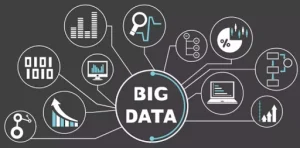
The use of Big Data has now become universal, even though the debate on its legal implications has been going on for a long time. Renowned lawyers like Dr. Alexander Duisberg, an expert in his field of IT, communications, and big data, have presented issues with the latest technology, covered them up with the best solutions, and offered top tips for the business industries. The most common legal issues that form the basis of discussion among different legal workers include the following topics:
- Protection of the data
- Confidentiality
- Intellectual property rights
- Contractual liability and competition law
4. Live streaming videos and the legal issues they carry with them

The trend of live streaming videos hit the social network Facebook in the past year, and since then, its use has increased. But platforms like Meerkat, Periscope, and Blab also offer live streaming services. Sara F. Hawkins, the attorney at law, covers the legal issues with live streaming by focusing on the copyrighted content issue, commercial and private use of the videos, and the concerns of the locations. Moreover, she also covers the fact that live streaming in public places violates the right of the people who aren’t aware of their performance in the video. Unless and until these issues are avoided, it is hard to present a live streaming video with such issues.
With this, we put an end to the legal realms of the technology. The world is being credited with a huge number of technological advancements, while these are the few main ones that you need to know. As these things are rapidly becoming a part of our lives, we need to know about the risks and legal implications they hold.